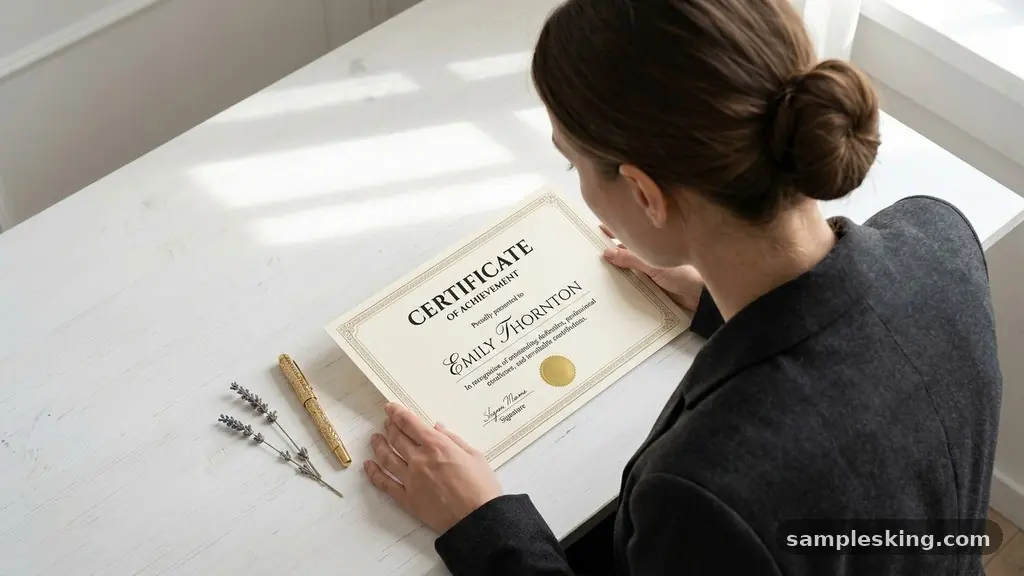
Finding the right words to honor someone’s hard work can be surprisingly difficult, yet using well-crafted certificate of appreciation wording examples and templates makes the process much smoother. Whether you are celebrating a long-term employee, a dedicated volunteer, or a helpful colleague, the language you choose transforms a simple piece of paper into a meaningful keepsake.
By focusing on specific contributions rather than generic praise, you ensure the recipient feels truly seen and valued. This resource helps you select the perfect tone and structure for your next award, ensuring your formal acknowledgment resonates deeply with the person receiving it.
Core Principles of Effective Recognition
The most impactful certificates focus on the specific impact of an individual’s actions. Avoid vague phrases like “for your hard work,” which can feel impersonal and detached. Instead, define exactly what the recipient accomplished to earn this distinction.
When drafting your text, prioritize clarity and sincerity over overly flowery language. A direct statement of gratitude often carries more weight than a paragraph of corporate jargon. Think about the specific project, behavior, or milestone you are celebrating.
Structuring Your Message
Start with a clear, bold header that identifies the purpose of the award. Follow this with the recipient’s full name, presented in a prominent font size. The middle section should contain the “why,” which is the heart of your message.
Conclude with the date, the name of the presenting organization, and a signature line. This structure provides a sense of formality that signals to the recipient that their efforts have been officially noted. Consistency in these elements builds trust in your recognition program.
Formal Wording for Corporate Milestones
In a corporate environment, precision is essential for maintaining a professional tone. These awards often mark long-term service or significant project completions. The language should reflect the gravity of the professional achievement.
For example, a service milestone award might state: “Presented to [Name] in recognition of 10 years of dedicated service and unwavering commitment to the excellence of [Company Name].” This phrasing highlights both the duration and the quality of the contribution.
Drafting Professional Commendations
When acknowledging a specific project success, focus on the outcome. You might write: “In recognition of your exceptional leadership and technical expertise during the successful implementation of the Q3 infrastructure upgrade.” This ties the award to a concrete, verifiable achievement.
Keep your tone consistent with your company’s broader corporate culture. If your office is highly traditional, stick to standard, elevated language. If your environment is more modern or agile, you can use slightly more direct and punchy phrasing.
Approaches to Volunteer Recognition
Volunteers often give their time without the expectation of material reward, making the certificate a primary form of validation. Your wording should emphasize the spirit of service and the tangible difference they made.
Focus on the community impact rather than internal metrics. Use words like “dedication,” “selflessness,” and “vital contribution” to describe their role. Acknowledging the personal sacrifice of time creates a much stronger emotional connection.
Templates for Non-Profit Organizations
A simple, powerful template for a volunteer might look like this: “Presented to [Name] for your selfless dedication and invaluable support of [Program Name] during the 2024 fiscal year.” This is simple, clear, and deeply appreciative.
You can also include a specific detail about the volunteer’s role if they have a unique title. For example: “In appreciation of your tireless work as our Lead Event Coordinator, which directly enabled our team to exceed fundraising goals.” Specificity here proves that you were paying attention to their individual efforts.
Peer-to-Peer Appreciation Strategies
Peer-to-peer recognition is a powerful tool for building a positive workplace culture. Because these awards come from colleagues, the tone can be warmer and more personal than management-led recognition.
Encourage employees to mention specific instances where a peer went above and beyond. This could be helping with a difficult deadline, mentoring a new team member, or simply maintaining a positive attitude under stress.
The Value of Informal Language
When peers write for peers, the language should reflect that relationship. It is acceptable to use slightly less formal, more enthusiastic phrasing. Phrases like “Thanks for always being the first to jump in and help” or “Your positive energy makes every meeting better” work well.
These small acts of recognition significantly boost workplace morale. When employees see their peers being celebrated for helpfulness, they are more likely to emulate that behavior. This creates a cycle of positivity that benefits the entire organization.
Comparison of Award Styles
Selecting the right style depends on the audience and the occasion. The following table provides a quick reference for matching your tone to your specific event.
| Award Category | Primary Focus | Recommended Tone |
|---|---|---|
| Service Milestone | Longevity and Loyalty | Formal and Appreciative |
| Project Achievement | Results and Impact | Professional and Specific |
| Volunteer Support | Community and Service | Warm and Heartfelt |
| Peer Recognition | Collaboration and Spirit | Personal and Casual |
Common Mistakes to Avoid
Many people inadvertently weaken their certificates by including too much boilerplate text. Avoid using templates that are so generic they could apply to anyone in the building. If the recipient feels the award was “just a formality,” the emotional impact is lost.
Another common error is failing to proofread carefully. A misspelling of a name or a wrong date can turn a thoughtful gesture into an awkward one. Always double-check every detail against your internal records before printing.
Ensuring Authenticity
Do not use high-pressure, hyperbolic language that feels insincere. If you call every small task a “monumental achievement,” the word loses its meaning. Save your strongest adjectives for truly significant milestones.
Consistency matters, but so does individuality. If you are giving out many awards, try to vary the phrasing slightly for each person. This shows that you took the time to consider each individual’s unique contribution to the team.
Design and Distribution Tips
The physical quality of the certificate matters as much as the words on it. Use high-quality cardstock and professional printing to show that you value the recognition. A flimsy piece of paper does not convey the same level of respect as a thick, textured stock.
Consider the setting of the award ceremony. Whether it is a quick mention in a team meeting or a formal banquet, the presentation matters. A verbal explanation of why the person is receiving the award adds depth to the physical certificate.
Best Practices for Presentation
Handing out certificates without context can feel like a chore. Take a moment to say a few words about the recipient’s specific contribution. This verbal acknowledgement validates the text on the page and makes the moment memorable.
For more information on the psychological benefits of workplace recognition, you can review the research on the power of small wins. Understanding why recognition works helps you craft more effective messages. It reminds you that even small, consistent acknowledgments create a culture of high engagement and sustained performance.
Frequently Asked Questions
Should I include the date of the award on the certificate?
Yes, always include a specific date. It serves as a historical marker for the recipient and helps your organization track when recognition was provided.
Is it better to use a template or write from scratch?
Templates provide a solid foundation, but you should always customize them. Use the template for the structure and your own words for the specific appreciation.
How many people should sign the certificate?
Usually, one or two signatures are sufficient. It should be signed by the person’s direct manager or the head of the organization to show leadership support.
What if the recipient prefers not to be recognized publicly?
Respect their preference. You can still present them with the certificate in a private meeting or send it to them directly.
How do I make a certificate look more professional?
Use a clean, readable font and consistent spacing. Avoid cluttering the page with too many graphics, which can distract from the message of gratitude.
Conclusion
Mastering the art of writing certificates of appreciation ensures that your recognition efforts leave a lasting, positive impression. By utilizing these certificate of appreciation wording examples and templates, you can easily shift from generic, forgettable awards to messages that truly resonate with your team. Remember to keep your language specific, your tone sincere, and your presentation thoughtful.
These small, deliberate efforts to show gratitude significantly contribute to a healthy workplace culture and sustained employee engagement. Start by identifying one person who deserves a note of thanks today and watch how a simple, well-worded certificate can brighten their professional journey.