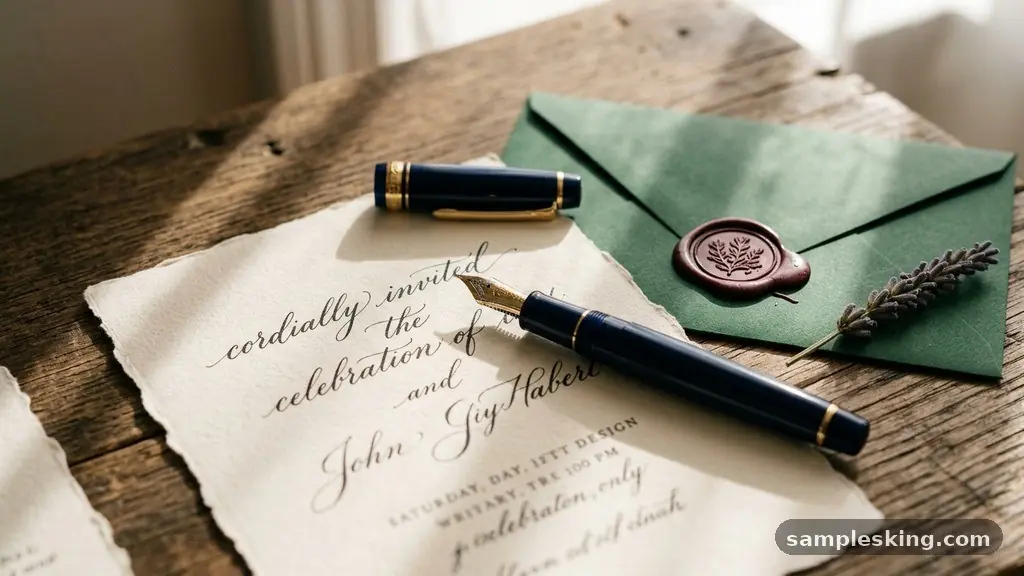
Finding the right way to phrase an invitation sets the mood for your entire gathering, whether it is an intimate backyard barbecue or a high-stakes corporate function. Selecting effective event invitation wording examples for different occasions helps you communicate essential details while capturing the specific spirit of your event.
By balancing clarity with personality, you ensure your guests feel welcomed and well-informed from the moment they open their digital or physical card. This article explores how to tailor your language to meet the expectations of various social and professional settings, ensuring your message lands exactly as intended.
Setting the Right Tone for Your Event
The tone of voice you choose for an invitation acts as the first touchpoint for your guests. A formal event requires a measured, elegant approach, while a casual gathering benefits from a relaxed, conversational style. You want to match the language to the actual experience; promising a high-energy dance party with overly stiff, traditional phrasing can leave guests confused about what to expect.
Think about the relationship between the host and the attendees. If you are writing for a professional networking mixer, you might lean toward polished, concise sentences that highlight the value of the event.
For a baby shower or a birthday, warmth and excitement should take center stage. Consistency in your tone helps guests understand the dress code and the level of formality before they even look at the details.
Standard Components of Every Invitation
Regardless of the occasion, every invitation must contain a few non-negotiable elements to function correctly. If you leave out these details, you will inevitably end up answering the same questions repeatedly via email or text. Always include the name of the host, the nature of the event, the date, the time, and the physical or digital location.
Beyond the basics, you should consider including specific instructions regarding your RSVP deadline. Giving guests a clear date to respond helps you manage your guest capacity limitations effectively.
If you are hosting a meal, asking for dietary restrictions upfront saves you significant stress during the planning phase. Below is a simple table to help you compare the essential requirements for different types of gatherings.
| Event Type | Essential Detail | Tone Style |
|---|---|---|
| Formal Gala | Dress code specifications | Sophisticated |
| Casual Party | Bring your own beverage info | Friendly |
| Corporate Mixer | RSVP deadline | Professional |
| Wedding Reception | Registry information | Warm/Formal |
Crafting Formal Gala and Corporate Invitations
Formal gala etiquette demands a high level of precision and respect for the gravity of the occasion. When drafting these invitations, use full names and avoid abbreviations.
The language should feel elevated and structured, often utilizing third-person phrasing to maintain a sense of prestige. For example, instead of saying “We are having a gala,” use “The Board of Directors cordially invites you to the Annual Winter Gala.”
Corporate event correspondence should remain professional yet inviting. If you are organizing a professional networking mixer, focus on the purpose of the gathering, such as “celebrating industry achievements” or “fostering new connections.”
Clearly state the dress code specifications, such as “Business Professional” or “Black Tie Optional,” to prevent any awkwardness for your attendees. Keep the layout clean and the font choices classic to reflect the corporate brand identity.
Personalized Phrasing for Social Celebrations
When you shift toward social gatherings, you have much more freedom to experiment with your language. Baby shower invitation templates often use playful, soft, or pun-filled language to celebrate the incoming arrival.
You might write something like, “Help us shower the parents-to-be with love before the little one arrives!” This sets a cheerful, communal atmosphere.
For a birthday or a casual party, you can be as creative as you like. Using a specific theme in your wording helps guests get into the spirit early.
If you are planning a themed costume party, explicitly state the theme and encourage participation in the invitation body. Always remember that even for casual events, clarity remains king; do not hide the time or location behind clever wordplay that might be misinterpreted.
Managing Logistics and Guest Expectations
One of the biggest challenges in event planning is managing the flow of information without cluttering the invitation. If you have a large amount of logistical data, such as parking instructions or hotel blocks, consider using a separate insert or a link to a dedicated website. Digital invitation platforms have made this much easier by allowing you to include clickable buttons for directions and maps.
Be very clear about your guest capacity limitations early on to avoid over-inviting. If you cannot accommodate children, state it gently but firmly.
A phrase like “We have chosen to host an adults-only celebration” is much better than leaving it vague and dealing with confusion later. Providing clear instructions on how to submit responses also ensures your headcount remains accurate throughout the planning process.
Handling Sensitive Occasions with Care
When writing for a celebration of life or a memorial event, the language must be handled with profound sensitivity and grace. The goal is to honor the person being remembered while providing guests with the necessary information to pay their respects.
Keep the wording quiet, sincere, and direct. Avoid overly flowery language that might feel performative rather than genuine.
If you are requesting donations to a charity in lieu of flowers, state this clearly and provide the necessary link or address. It is also helpful to clarify if the event is a private family affair or open to the wider community. Being explicit helps mourners understand their role and expectations, allowing them to focus on supporting the family during a difficult time.
Integrating Technology into Your Invitations
Modern event planning has moved heavily toward digital invitation platforms that track RSVPs in real-time. These tools allow you to send automated reminders to people who haven’t responded by your RSVP deadline.
They also make it simple to update guest lists and track dietary restrictions in a central database. When using these platforms, ensure your digital invitation still reflects the aesthetic of your event.
You can often customize the background, font, and even the animation of the digital card to match your theme. If you are interested in how to best structure your communications, the official government resources on event etiquette can sometimes provide context for public functions.
While digital platforms are efficient, always ensure that your wording remains personal. Do not let the software dictate the feeling of your message; customize the text fields to sound like you.
Common Questions About Event Invitations
How far in advance should I send invitations?
For large events like weddings, send invitations six to eight weeks in advance. For casual parties, two to three weeks is usually sufficient. Always send a save the date if your event requires significant travel for your guests.
What do I do if someone misses the RSVP deadline?
Follow up with a polite, short message via text or email. You might say, “We are finalizing our numbers for the caterer and wanted to check if you can make it.” This keeps the tone light while getting the information you need.
How do I handle registry information properly?
It is generally considered better etiquette to include registry information on a separate card or a linked website rather than directly on the main invitation. This keeps the primary invitation focused on the celebration itself.
Can I use email for formal event invitations?
Yes, digital invitations are becoming increasingly acceptable for formal events, provided the design is professional and the platform allows for a high-end presentation. Just ensure the email subject line is clear and formal.
What is the best way to state a dress code?
Be as specific as possible to avoid confusion. Use standard industry terms like “Cocktail Attire,” “Black Tie,” or “Garden Party Casual” so guests know exactly what level of effort is expected.
Refining Your Approach for Success
Refining your event invitation wording examples for different occasions is a skill that improves with every gathering you host. Start by identifying the core purpose of your event and the audience you are inviting.
If you are aiming for a professional tone, prioritize clarity and structure. If you are hosting a personal celebration, let your personality shine through in your word choice.
Remember that the invitation is essentially a promise of the experience to come. By being transparent about logistics, dress codes, and expectations, you reduce anxiety for your guests and ensure a smoother event for yourself.
Whether you are using traditional paper cards or modern digital platforms, the care you put into your language will be noticed. Keep your phrasing tight, your tone consistent, and your instructions clear to host an event that leaves a lasting positive impression.